
Cruising is one of the most accessible ways to see the world — but only when it's planned right. A ship that looks accessible on a brochure can still leave you stuck with a cabin that doesn't fit your wheelchair, a shore excursion with no ramp, or a tender port you can't reach at all. This guide walks through what to actually look for, the questions to ask before you book, and how to set your trip up so the only surprises are good ones.
What "Wheelchair-Accessible Cabin" Actually Means
Not all "accessible" staterooms are created equal, and cruise lines don't all use the same standards. When you're comparing cabins, look past the word "accessible" and check for the specifics:
- Doorway width — most accessible cabins have widened doors (typically 32"+ clear opening), but older ships or lower-category cabins may not
- Roll-in shower — this is the single biggest differentiator; many "accessible" cabins still have a step-over tub
- Turning radius — enough open floor space to maneuver a wheelchair or scooter, usually 60" minimum
- Balcony threshold — look for a flush or ramped threshold rather than a raised lip
- Bed height — adjustable or standard height that works for transfers
Personally verifying these details ship-by-ship before recommending a cabin also allows us to identify information that may not be listed online — such as adequate closet space or automatic sliding balcony doors — so you're not left discovering these details for the first time once you're already onboard.
Questions to Ask Before You Book
A good travel agent — or a well-prepared traveler — asks these before putting down a deposit:
- How many accessible cabins does this specific ship have, and in which categories? (Accessible cabins are limited and sell out early, often in inside, oceanview, and balcony categories.)
- What's the embarkation process like for wheelchair users at this port? Some terminals have excellent accessible boarding; others require assistance up temporary ramps.
- Are ports of call tender ports or dock ports? Tender ports (where you take a small boat to shore) can be difficult or impossible for wheelchair users, depending on sea conditions and the tender boat's accessibility.
- What's the ship's policy on mobility equipment — scooters, portable oxygen, CPAP machines? Most lines require advance notice, and some restrict scooter size or battery type.
- What accessible excursions are offered at each port? Not every shore excursion works for every mobility level, and accessible options are often limited — booking early matters here more than almost anywhere else.
Cruise Lines Known for Doing Accessibility Well
When it comes to accessible cruising, not all ships—or cruise lines—deliver the same experience. At All Access Travels, we believe accessibility is something that needs to be experienced, not simply checked off a list. Through our agency's firsthand sailing experiences, we've had the opportunity to see how different cruise lines accommodate travelers with mobility needs in the places that matter most. For this section, we're highlighting three cruise lines that have stood out to us, looking beyond the accessible stateroom to evaluate the entire journey—including embarkation, cabin design and functionality, entertainment venues and seating, accessible public restrooms, dining spaces, and the ease of navigating the ship overall. We'll share each cruise line's strengths, what we've personally seen them do particularly well, and why they may be worth considering when planning an accessible cruise vacation. Because a truly accessible cruise isn't just about getting onboard—it's about being able to comfortably enjoy the entire experience.
Royal Caribbean: A Standout for Accessible Entertainment & Onboard Experiences
Based on our firsthand experience at All Access Travels, Royal Caribbean stands out for the way accessibility is incorporated throughout the onboard experience—not simply within the accessible stateroom. One of its greatest strengths is dedicated accessible seating at many entertainment venues, helping travelers using wheelchairs and mobility devices enjoy the incredible entertainment Royal Caribbean is known for without having to navigate traditional theater seating. We have also been impressed by the availability of pool lifts at onboard pools, as well as accessible pool options at Royal Caribbean's private island destinations. These features can make an important difference for travelers who want to participate in more of the vacation experience rather than simply observe it.
Embarkation is another area where Royal Caribbean has performed particularly well during our travels. Dedicated accessibility assistance and embarkation lines can make the transition from terminal to ship considerably easier for travelers with mobility needs. Once onboard, we've also found accessible public restrooms conveniently located near many dining and entertainment venues. It may seem like a small detail, but on today's enormous cruise ships, the proximity of an accessible restroom can have a significant impact on a traveler's independence and overall experience.
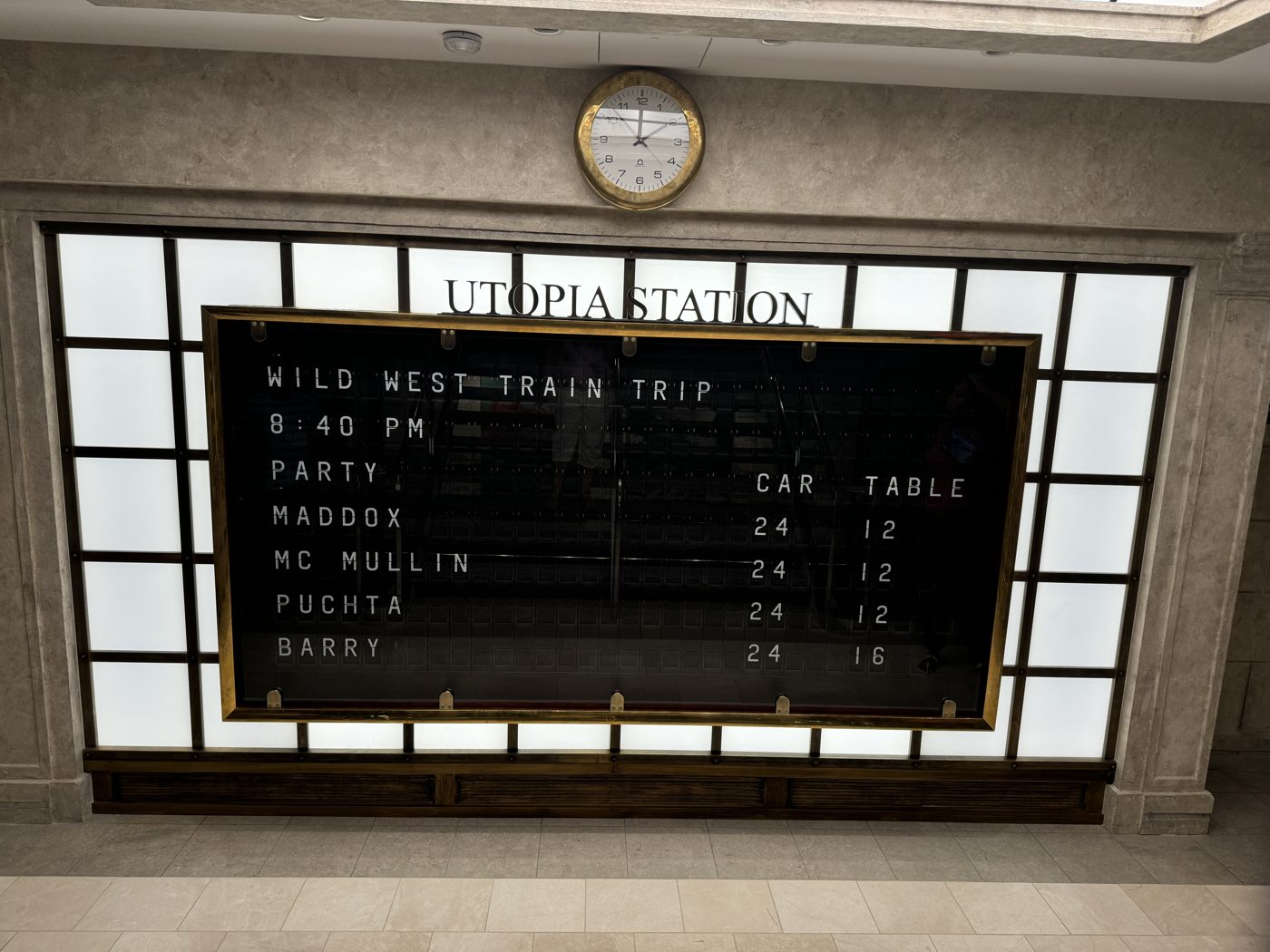
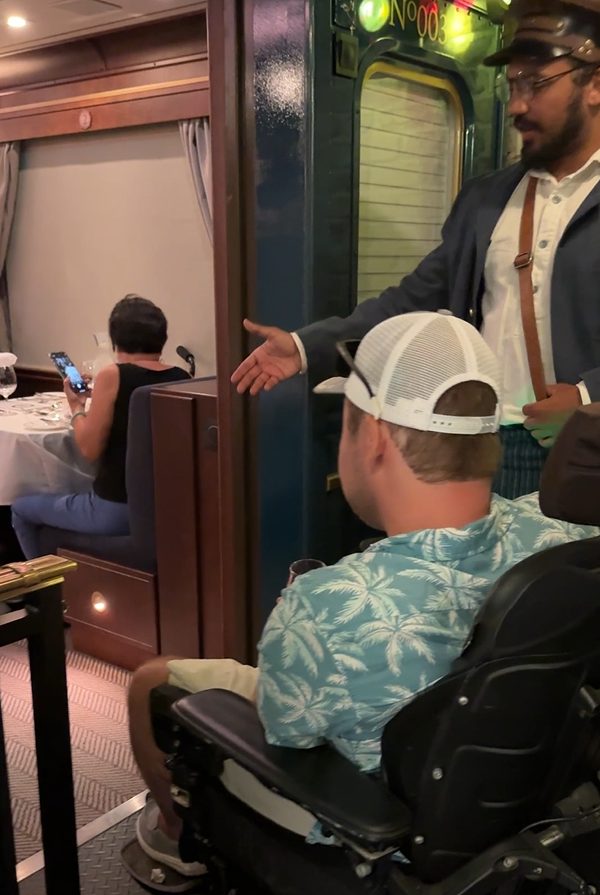
On Utopia of the Seas, we were also glad to find that Royal Railway, the ship's specialty dining experience, is wheelchair accessible. Royal Railway seats guests in a series of restored train cars for a themed, multi-course dinner, and we found the dining cars we visited could accommodate a wheelchair at the table. Because seating is arranged within the individual train cars, we recommend noting your accessibility needs on your Royal Railway reservation with Royal Caribbean before sailing, and confirming those arrangements again once onboard, so the right car and table can be held for you.
One important consideration is accessible stateroom availability. Royal Caribbean ships offer a large number of different cabin categories, and accessible accommodations make up only a portion of that inventory. As a result, travelers who require an accessible stateroom may find that their choices are limited, particularly on popular ships and itineraries. This makes booking early especially important. When available, however, we've found the accessible staterooms to be thoughtfully designed for mobility needs, with features that can include automatic entry doors, roll-in showers, and additional floor space for maneuvering a wheelchair or mobility device. That extra space can be particularly valuable when traveling with medical equipment, mobility devices, or other accessibility-related supplies.
There are still opportunities for improvement. On Icon Class ships, Hideaway, the adults-only area, can present challenges for travelers using larger power wheelchairs, making it more difficult to enjoy the space as independently as other guests. We would also like to see more clearly designated wheelchair and companion seating incorporated into some of the smaller entertainment venues, including comedy clubs and karaoke spaces, where accessible seating options may be more limited than those found in the larger theaters.
Overall, based on what we have personally experienced, Royal Caribbean is well worth considering for travelers who prioritize accessible entertainment, pool access, embarkation support, conveniently located accessible restrooms, and the ability to participate in more of the overall cruise experience. The accessible staterooms themselves offer several valuable features, but their limited inventory makes advance planning especially important. Accessibility can also vary from ship to ship and even from venue to venue, which is why we believe choosing an accessible cruise should involve more than simply checking whether an accessible cabin is available. The goal is to find a ship where the entire experience works for the traveler—from the moment they embark until the moment they return home.
Disney Cruise Line: Spacious Staterooms & Thoughtful Embarkation Support
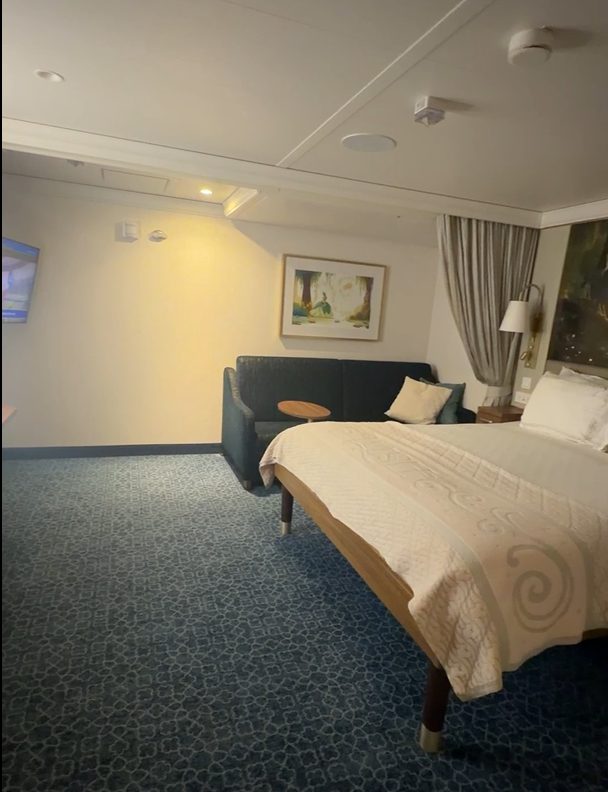
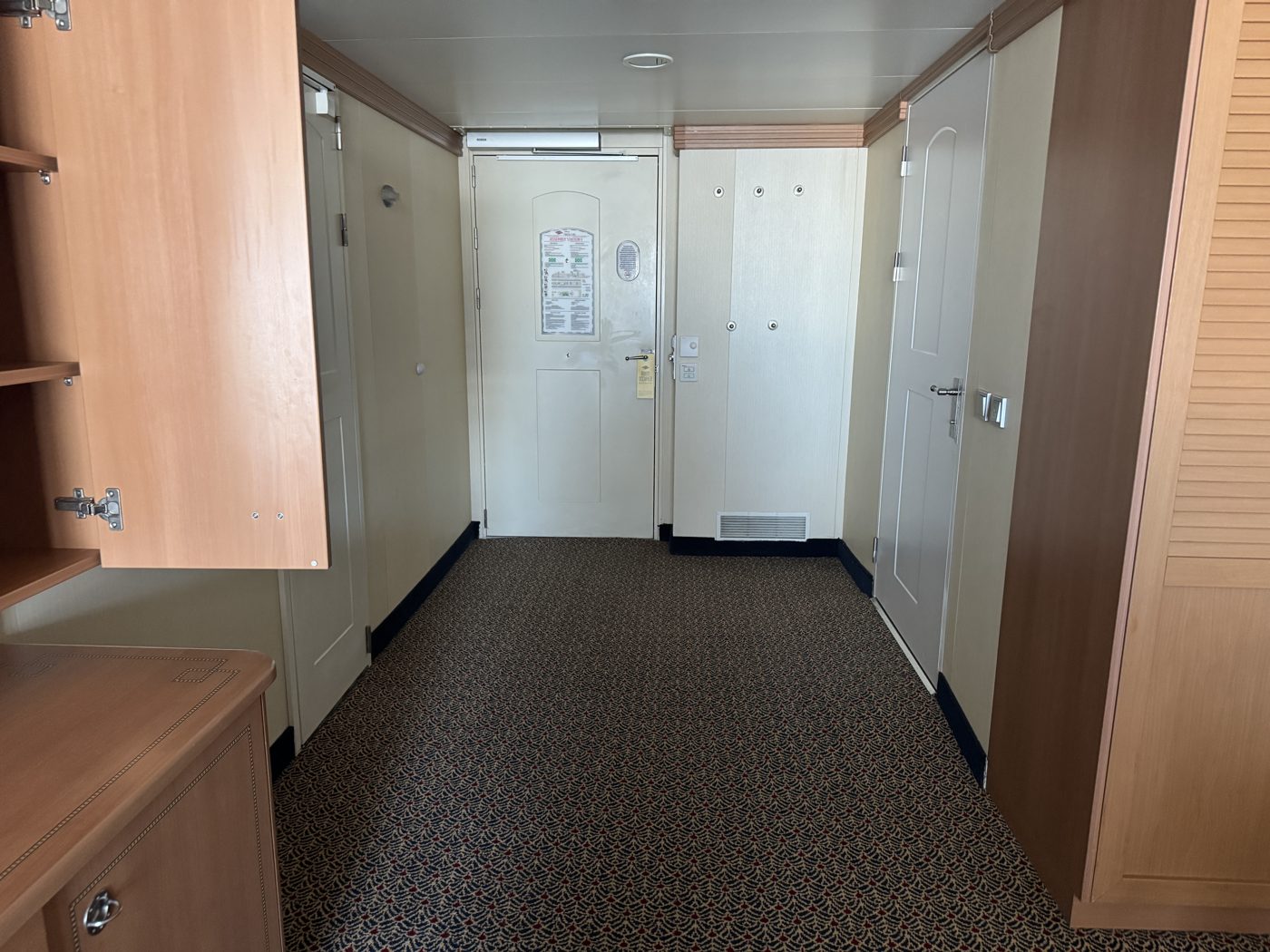
Based on our firsthand experience at All Access Travels, Disney Cruise Line stands out for several accessibility features that can make a meaningful difference for travelers using wheelchairs or traveling with medical equipment. One of its greatest strengths is its accessible stateroom design. We've found these staterooms to offer generous maneuvering space, and an especially helpful feature is the absence of a raised threshold when entering the bathroom. For someone navigating the cabin in a wheelchair, that seemingly small design choice can make moving independently between the sleeping area and bathroom noticeably easier. The additional space can also be valuable for travelers bringing mobility devices or medical equipment.
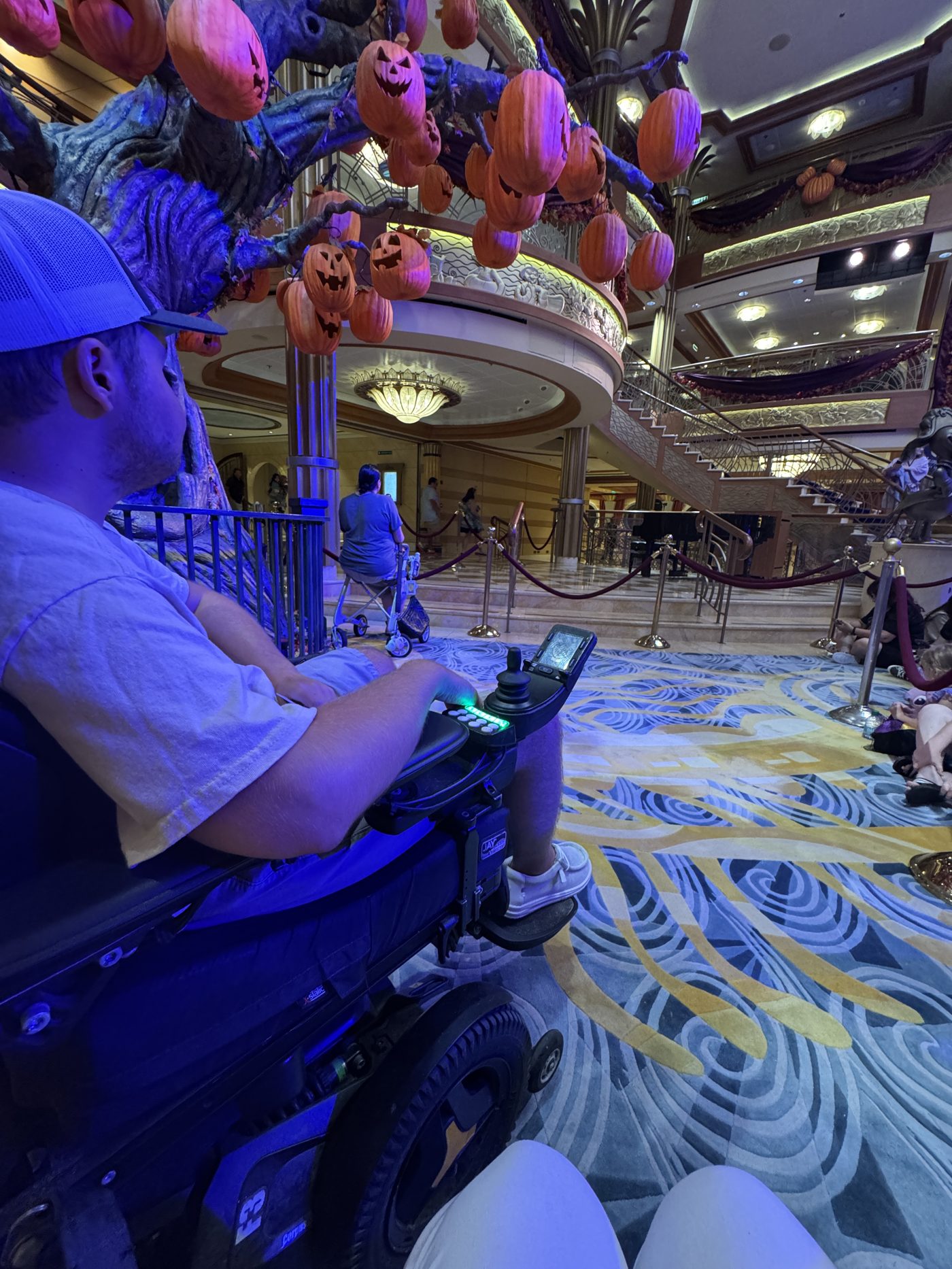
Accessibility continues throughout many of the ship's primary indoor spaces. Dining rooms and major entertainment venues are generally easy to access, allowing wheelchair travelers to participate in many of the experiences for which Disney Cruise Line is known. The overall layout of these primary venues can make transitioning between dining and entertainment relatively straightforward when compared with spaces that require navigating stairs, narrow entrances, or significant changes in elevation.
Disney also stands out during embarkation when traveling with medical equipment. Because the port staff handling luggage are Disney employees, we have experienced them taking medical equipment along with the traveler's other belongings during embarkation. For someone traveling with multiple pieces of equipment in addition to luggage and a mobility device, being able to board without managing everything themselves can make the beginning of the vacation considerably less stressful.
There is an important limitation to consider at the end of the cruise, however. If equipment such as a Hoyer lift is needed through the final night, travelers should plan carefully for disembarkation. Based on our experience, the same type of assistance available for getting medical equipment onboard is not available for taking that equipment off the ship. This can leave travelers responsible for managing their mobility device, luggage, and medical equipment during an already busy disembarkation process. For travelers who rely on larger pieces of medical equipment, we consider the disembarkation plan just as important as the embarkation plan.
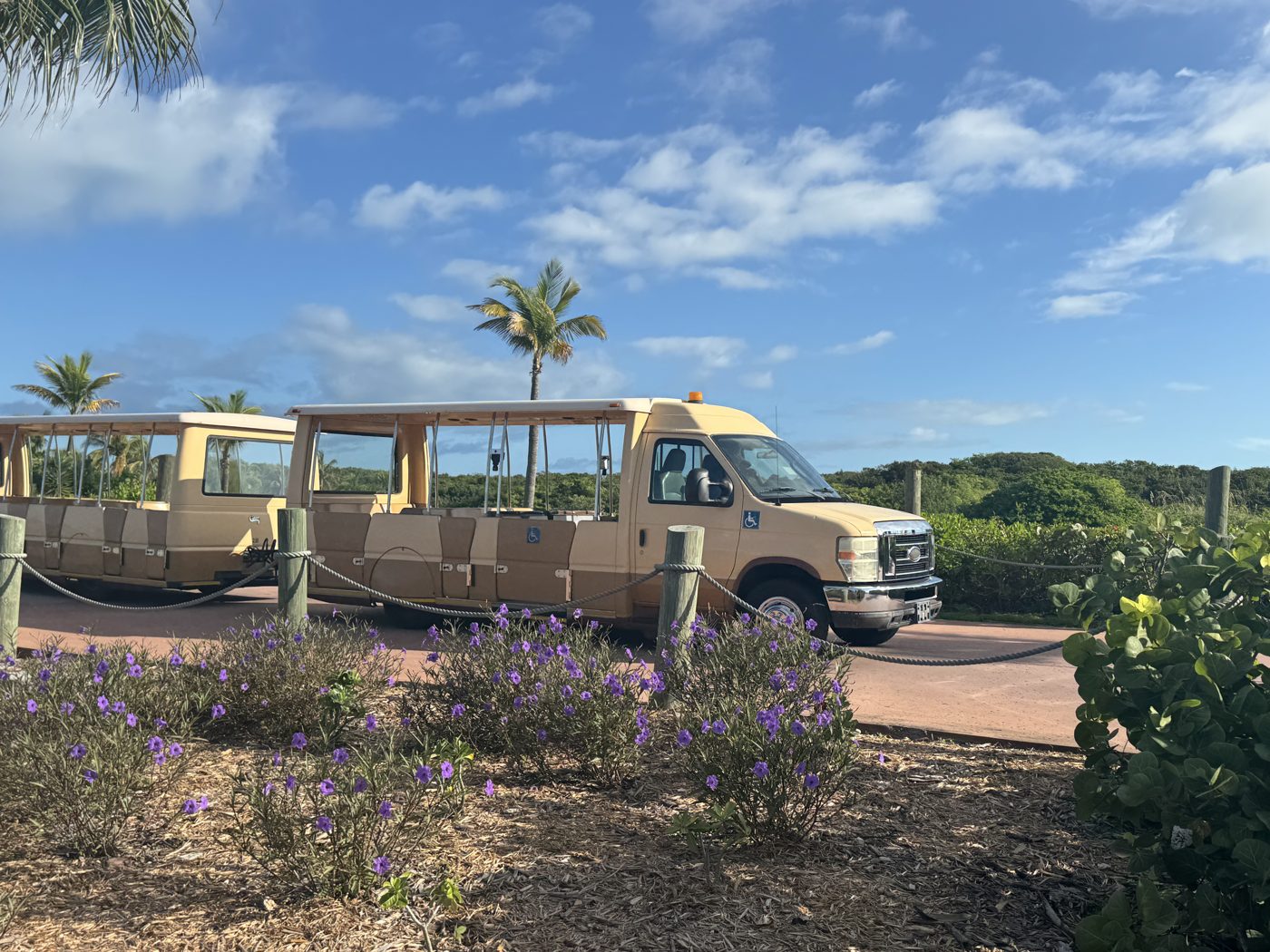
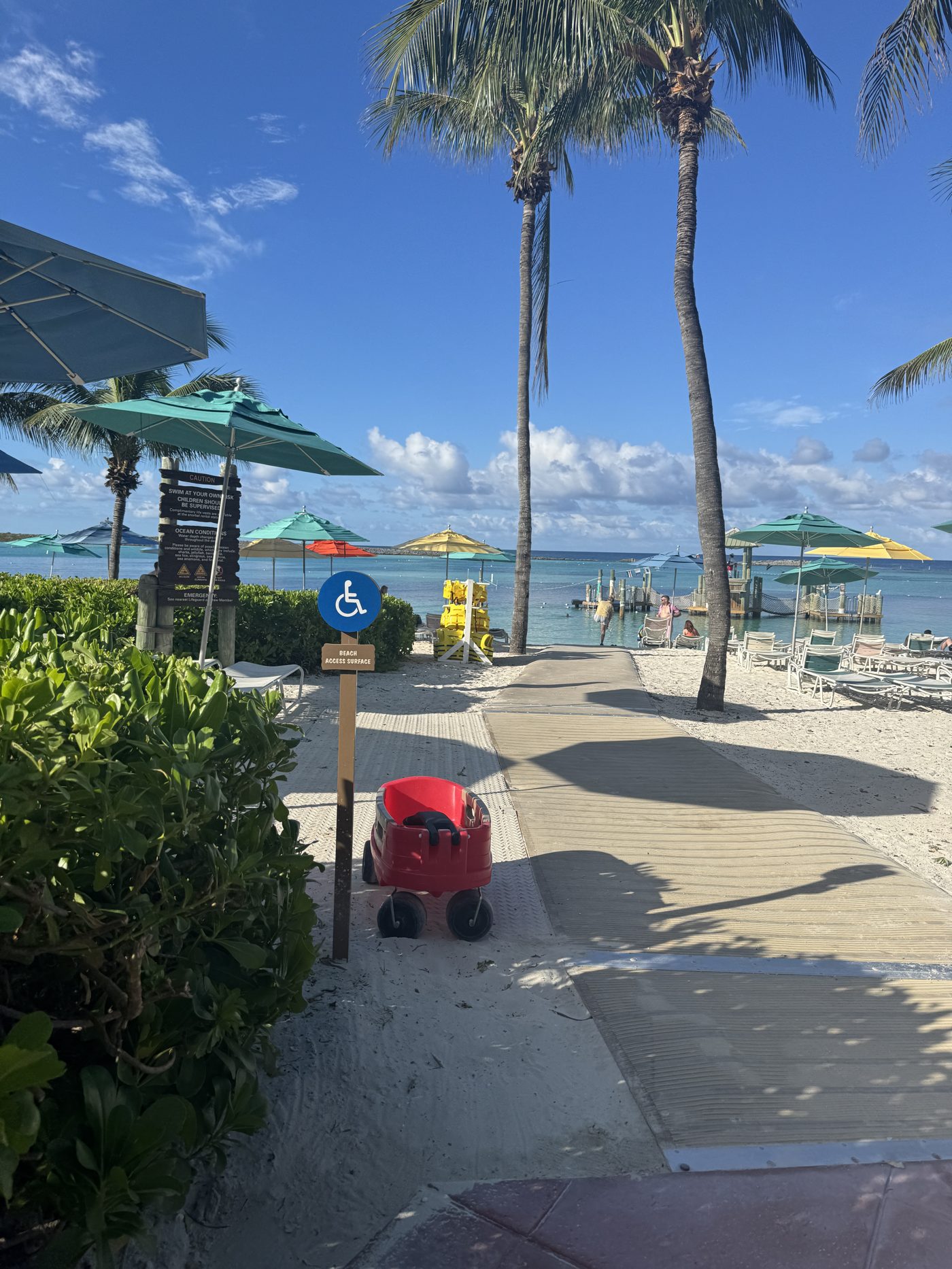
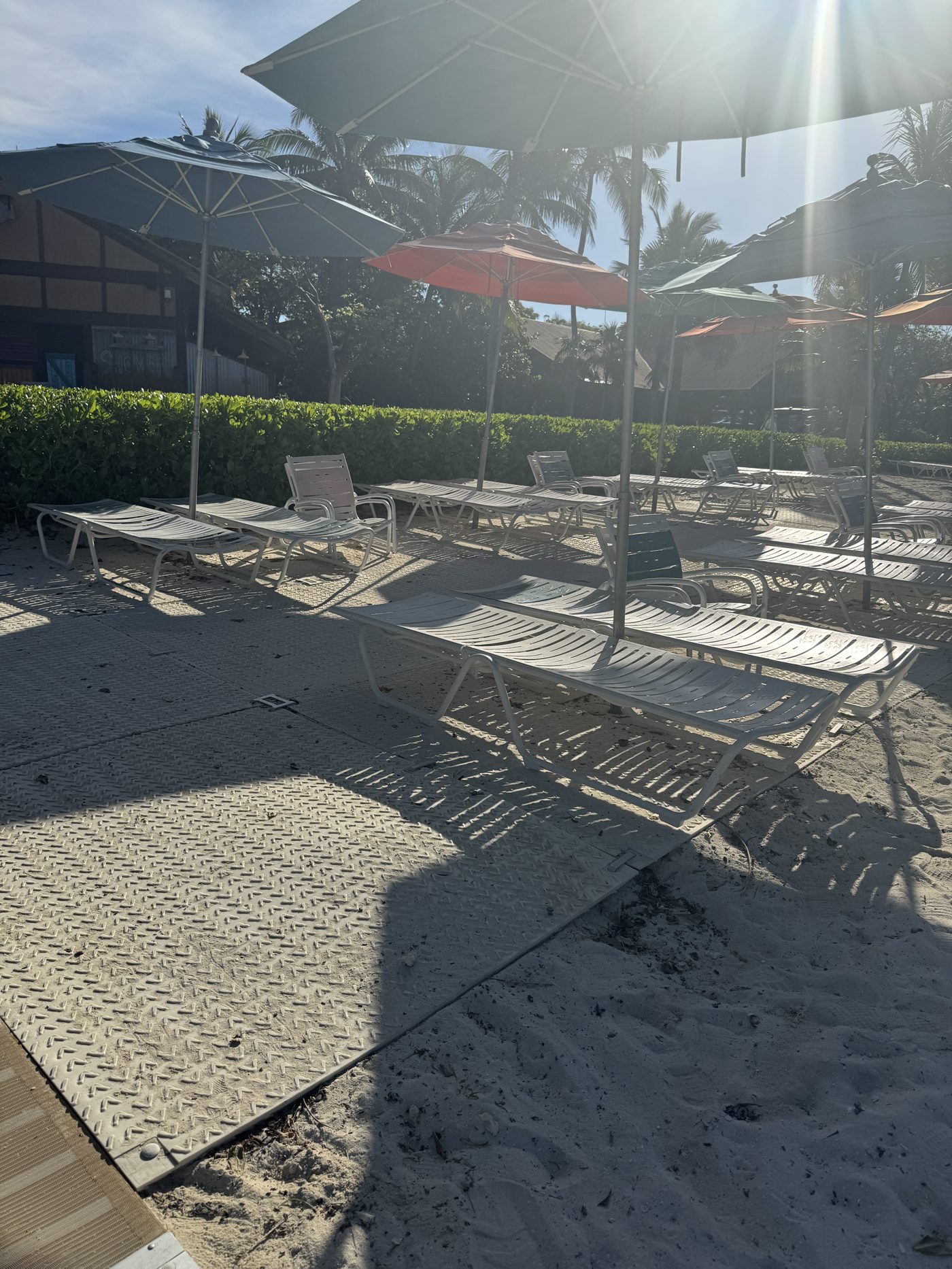
Disney's private island experiences also present a mix of accessibility strengths and limitations. At Castaway Cay, mobi-mats provide improved wheelchair access across portions of the beach, helping travelers get closer to areas that would otherwise require crossing sand. Lookout Cay does not currently provide the same mobi-mat access based on our experience, which can make navigating beach areas more challenging for wheelchair users. Neither private island offers a swimming pool, which means opportunities for travelers who cannot safely or independently access the ocean may be limited. One positive feature at both destinations is accessible tram transportation, which makes it easier for travelers with mobility needs to move between key areas of the islands.
There are several other areas where we would like to see Disney Cruise Line improve accessibility. Family or companion-style accessible restrooms are limited onboard, and automatic doors are not as widely available as we would like to see. These features can be particularly important for travelers who require assistance from a caregiver or companion.
Outdoor entertainment presents another challenge. Unlike some indoor venues where accessible seating is incorporated into the space, we have found a lack of clearly designated accessible viewing areas for outdoor entertainment. When crowds gather for deck parties and other events, finding an appropriate viewing location while maintaining enough room to maneuver a wheelchair can become difficult. Establishing dedicated wheelchair and companion viewing areas would make these experiences more inclusive and considerably easier to navigate.
One accessibility detail that travelers may not think about before sailing involves glassware. We have found that indoor dining and entertainment venues onboard primarily serve beverages in glassware, which can be heavier and more difficult to manage for someone with limited hand strength, grip, or upper-body mobility. If lifting or safely holding a heavier glass could be challenging, we recommend requesting an alternative drinking vessel while onboard rather than assuming one will automatically be provided.
Overall, based on our firsthand experience, Disney Cruise Line is particularly worth considering for travelers who prioritize spacious accessible staterooms, easier bathroom entry, convenient access to major indoor dining and entertainment venues, and additional assistance with medical equipment during embarkation. At the same time, travelers who depend on substantial medical equipment, require companion restrooms, need automatic doors, or want easy access to outdoor entertainment and private-island activities should understand the limitations before sailing. Disney does several things very well, but—as with every cruise line we evaluate—the details of how an individual traveler moves, transfers, accesses facilities, and uses medical equipment ultimately determine whether the experience will be the right fit.
Norwegian Cruise Line: Strong Onboard Accessibility with Room to Grow Ashore
Based on our firsthand experience at All Access Travels, Norwegian Cruise Line (NCL) offers a generally positive experience for wheelchair and mobility-device users once onboard. We have encountered relatively few challenges with their accessible staterooms, and the majority of public venues are accessible, making it easier for travelers to enjoy dining, entertainment, and other activities throughout the ship. Many entertainment venues also provide designated accessible seating, an important feature that allows wheelchair travelers to enjoy shows without having to search for an appropriate viewing location after arriving at a venue.
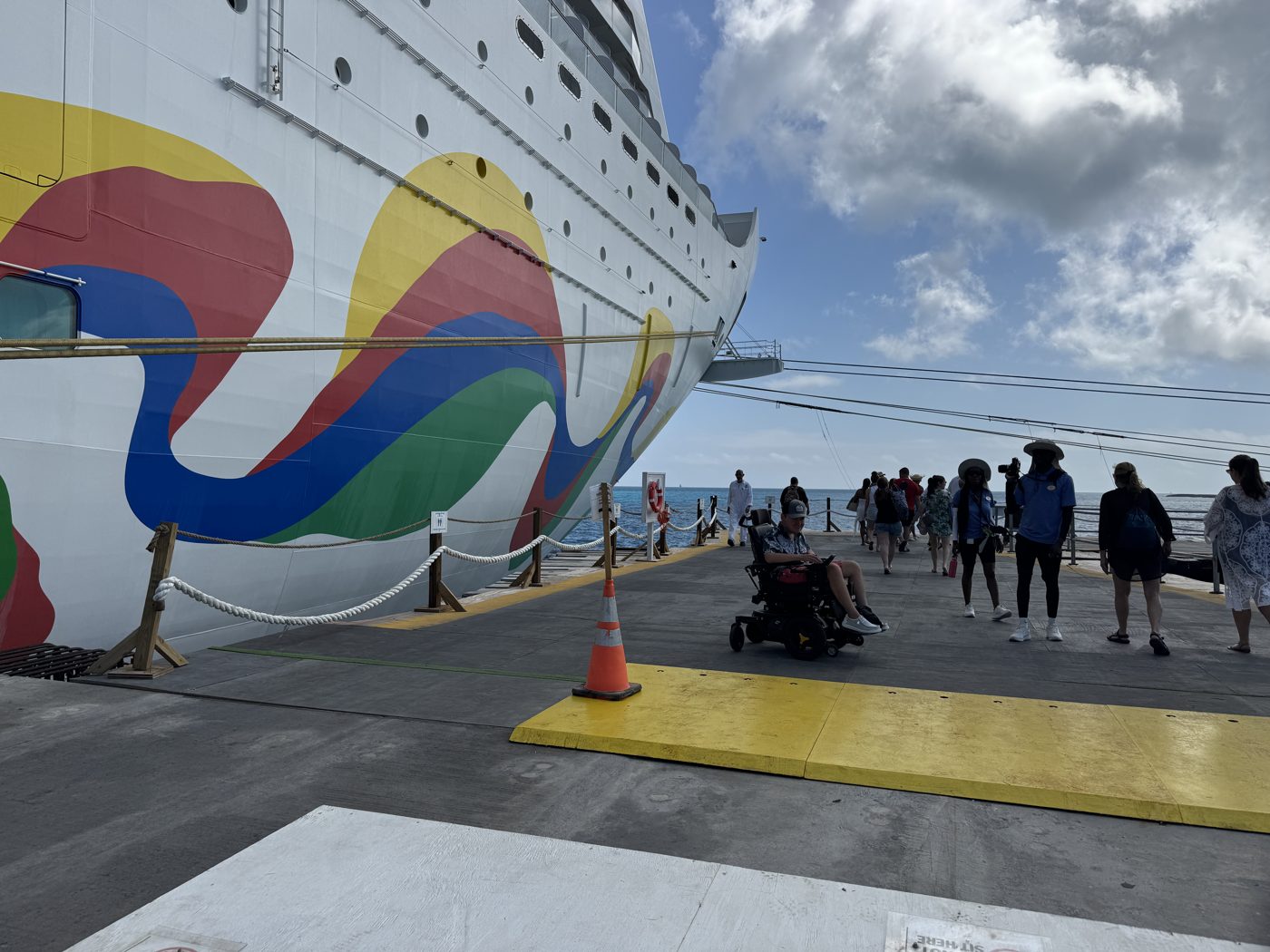
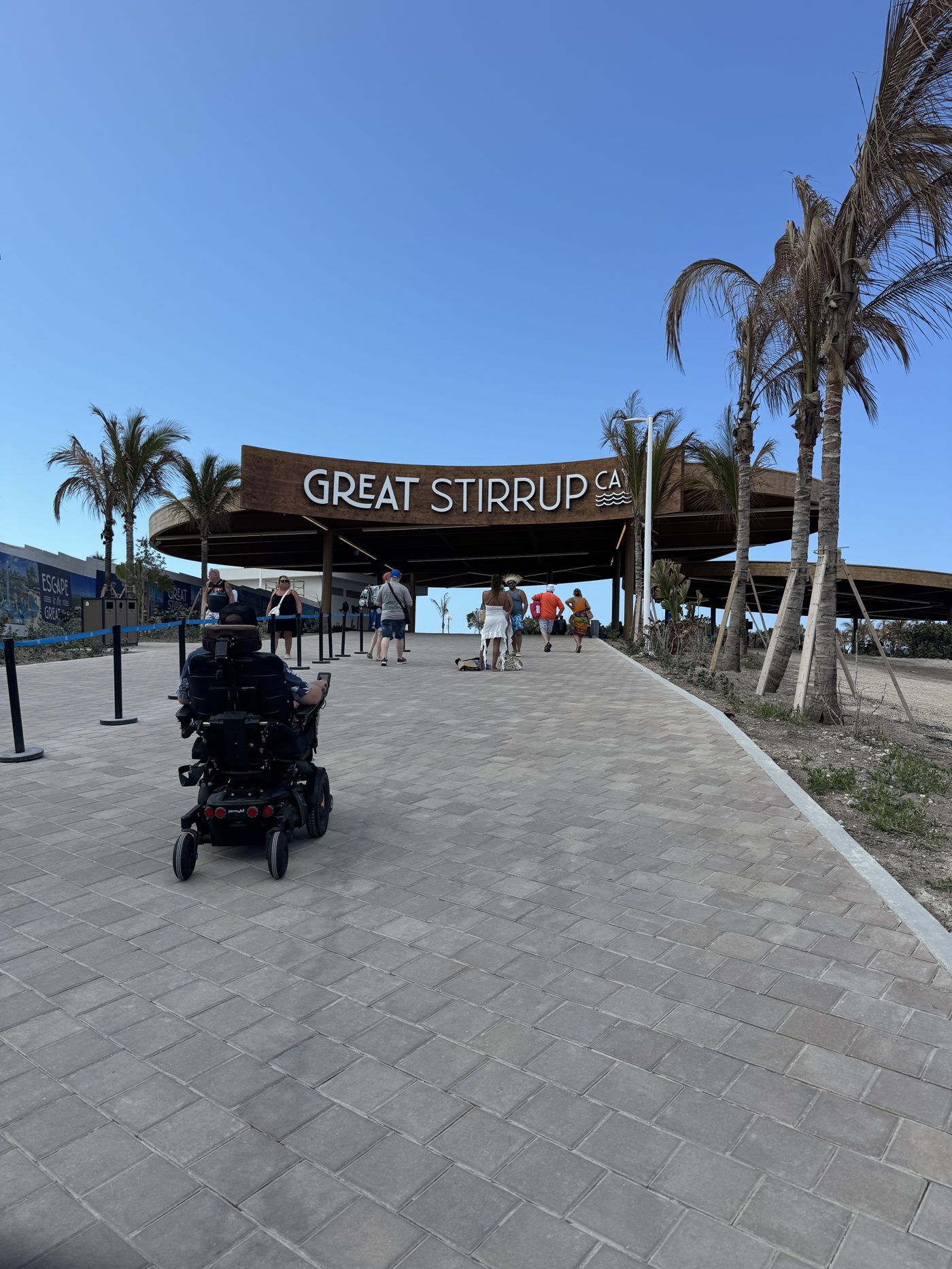
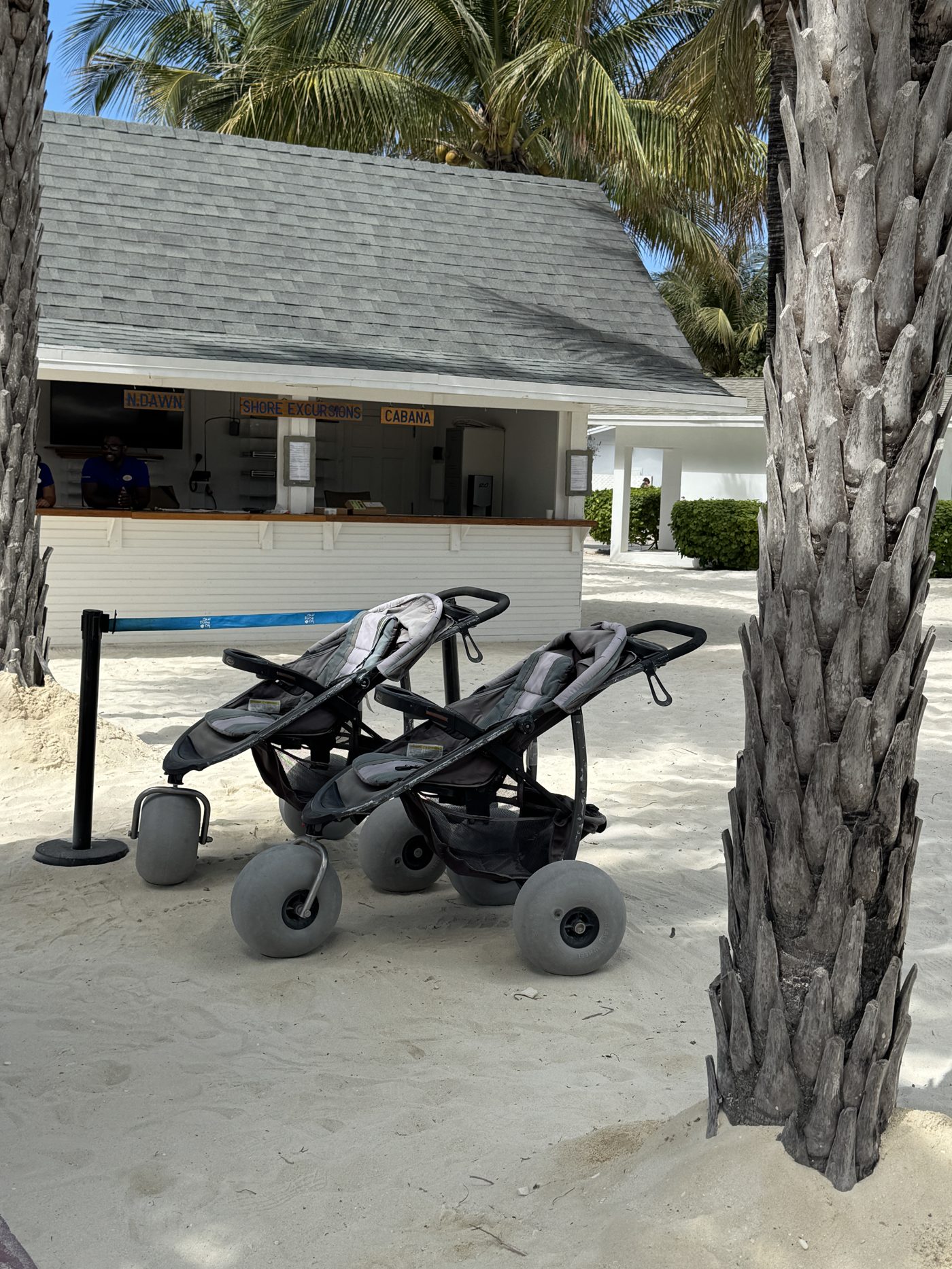
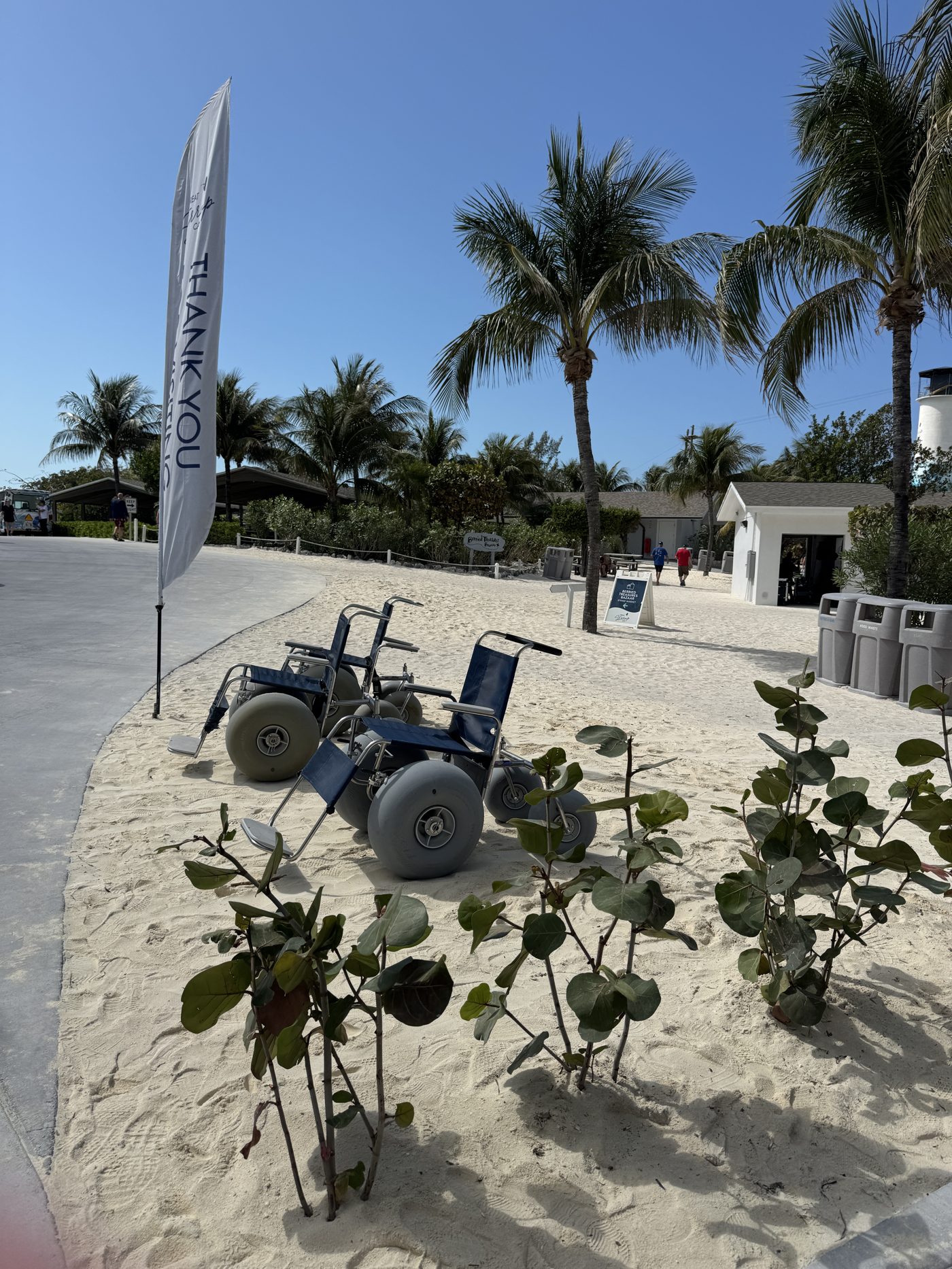
One of the most significant accessibility improvements for NCL travelers is taking place at Great Stirrup Cay, Norwegian's private island in the Bahamas. The addition of a pier eliminates the need to tender guests between the ship and the island—an important change for wheelchair travelers, since tendering can present challenges or even prevent some guests from going ashore depending on their mobility needs, equipment, and conditions. The island also offers beach wheelchairs and beach strollers for travelers who need specialized equipment to navigate the sand, creating additional opportunities to experience the destination beyond the paved areas.
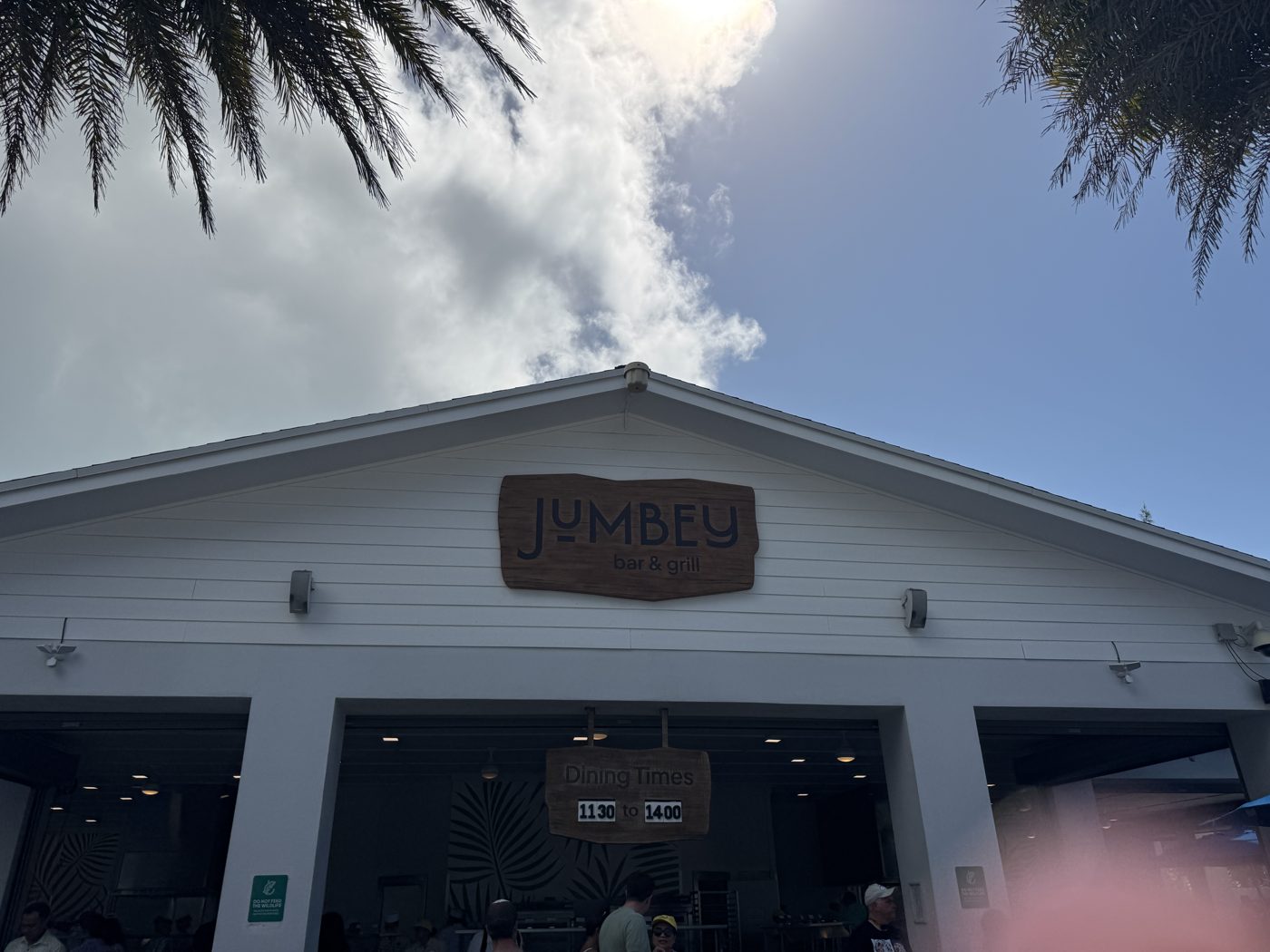
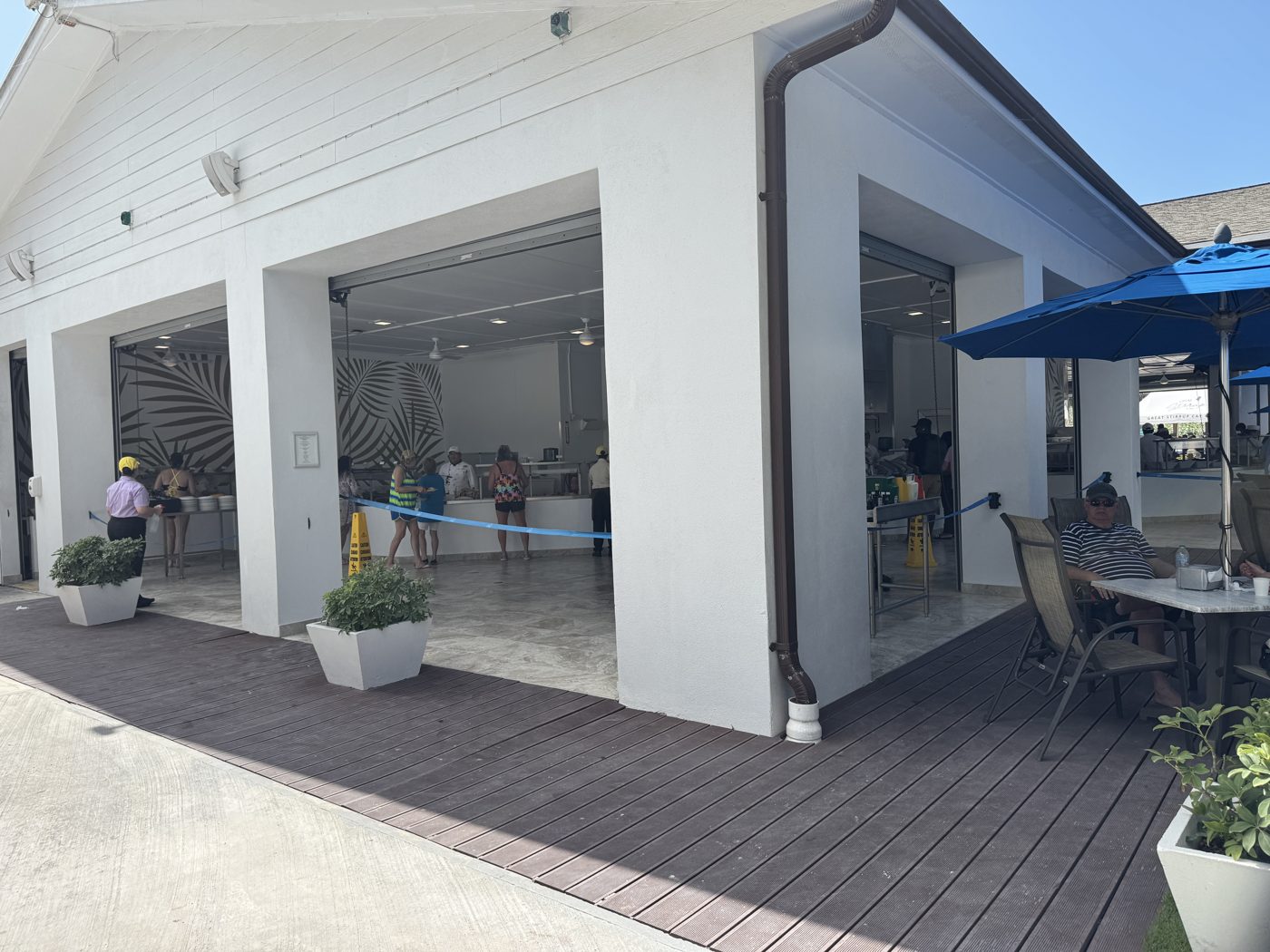
Another thoughtful feature we personally experienced at Great Stirrup Cay was a designated buffet line for wheelchair travelers. Island buffets can become particularly crowded during peak dining periods, making it difficult to maneuver a wheelchair through lines and around other guests. Having a dedicated line helped create a more manageable dining experience and is a great example of how a relatively simple accommodation can make a meaningful difference for a traveler using a wheelchair. It is important to note that our experience with this particular feature was at Great Stirrup Cay and should not be assumed to be available at NCL buffets onboard or at other destinations.
Where we see the greatest opportunity for improvement is accessible shore excursions. While the onboard experience offers relatively good accessibility, the number and variety of shore excursions suitable for wheelchair travelers can be limited. This is an important distinction because an accessible ship is only one part of an accessible cruise vacation. A traveler may be able to navigate the ship independently and enjoy nearly everything onboard, yet arrive at a destination and discover there are very few excursions that can accommodate their wheelchair, mobility device, transfer requirements, or accessible transportation needs.
For this reason, travelers considering NCL should look beyond the ship when evaluating a particular itinerary. Researching accessible options at each port before booking can be especially important, and in some destinations it may be necessary to explore independently operated accessible tours rather than relying exclusively on cruise-line excursions. This is one of the areas where advance planning can dramatically change the overall cruise experience.
Overall, based on what we have personally experienced, Norwegian Cruise Line is worth considering for wheelchair and mobility-device users who prioritize accessible staterooms, accessible public venues, and designated entertainment seating. The improvements at Great Stirrup Cay—including the new pier, availability of beach mobility equipment, and the dedicated buffet line we experienced—are also encouraging examples of efforts to make the private-island experience more accessible. The primary consideration is what happens once the ship reaches other ports of call. For NCL, we believe matching the itinerary—and not just the ship—to the traveler's individual accessibility needs is an essential part of choosing the right cruise.
Embarkation and Excursion Tips
- Arrive within your assigned check-in window, but ask about priority or accessible boarding lines — most major lines offer this, but you often have to request it rather than assume it.
- Photograph your mobility equipment before you board, in case anything is damaged in transit or storage.
- Confirm elevator access to every deck you'll need, especially dining rooms and entertainment venues — on some older ships, certain decks are stair-only.
- Book accessible excursions as early as possible. These spots are limited fleet-wide, not just on your sailing, and they fill months in advance during peak season.
- Pack a printed copy of any documentation for medical equipment, service animals, or oxygen — WiFi and cell service at ports isn't always reliable when you need to show something quickly.
Why Work With an Accessible Travel Specialist
Cruise lines' own booking systems are built for general availability — they don't flag which specific cabins have roll-in showers, which excursions actually work for a manual wheelchair versus a power chair, or which itinerary has three tender ports in a row. That's the gap we close. At All Access Travels, we've personally vetted cabins, ships, and excursions so you're not the one finding out the hard way, mid-trip, what "accessible" really meant.
Ready to plan a cruise that actually works for you?Email us at info@allaccesstravels.com and we'll build your itinerary around the access you need — not around guesswork.